
MOVE | Aerial Logistics
Scheduled aerial logistics
Connecting logistics networks through scheduled middle-mile cargo flights.
Turman Aviation develops scheduled aerial logistics networks that connect strategic logistics nodes while integrating with existing postal, courier, freight and ground transportation systems.
Our model focuses on the middle mile: moving cargo efficiently between hubs while customers and existing logistics providers continue to manage first- and last-mile movement.
The operating model
Ground. Hub. Air. Hub. Ground.
A Turman network adds a scheduled aerial layer between strategic logistics nodes.

GROUND / Origin logistics network
Cargo enters through existing postal, courier, freight or customer operations.

AERIAL LOGISTICS HUB
Cargo is consolidated, processed and prepared for scheduled flight.
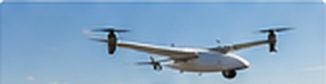
SCHEDULED CARGO FLIGHT
Cargo moves between strategic nodes on planned routes and recurring schedules.

AERIAL LOGISTICS HUB
Cargo is received, processed and transferred back into the customer's logistics network.

GROUND
Existing ground networks continue first- and last-mile movement.
Turman complements existing logistics infrastructure. We do not replace it.
Why scheduled middle-mile?
Reliable capacity between strategic nodes.
Extend reach
Connect regional logistics nodes across distance, difficult terrain or constrained ground corridors.
Increase reliability
Build recurring aerial capacity around planned routes and schedules.
Strengthen infrastructure
Add an aerial transportation layer to existing postal, courier and freight systems.
Shared capacity
Create network capacity that can support multiple customers and cargo requirements.
First, middle and last mile
Turman's focus is the middle mile.
First mile
Into the network
Cargo moves from the shipper, warehouse, clinic, postal facility or distribution point into the logistics network.
Middle mile · Turman
Between strategic nodes
Turman connects strategic nodes through scheduled aerial cargo flights.
Last mile
To the destination
Existing courier, postal, freight or customer networks continue distribution to the final destination.
Scheduled vs. on-demand
Network capacity, not individual dispatches.
Turman's model is built around scheduled network capacity rather than dispatching an aircraft for every individual shipment.
| Scheduled network | On-demand delivery | |
|---|---|---|
| Routes | Planned routes | Point-to-point requests |
| Departures | Predetermined departures | Individual dispatches |
| Capacity | Recurring capacity | Arranged per delivery |
| Operations | Hub-to-hub operations | Often optimized around individual deliveries |
| Integration | Integrated with existing logistics networks | Separate from existing networks |
How a network is developed
From logistics demand to an operating network.
Identify demand
Understand recurring cargo flows, logistics nodes, customer requirements and service priorities.
Design the network
Identify suitable hubs, operating sites, routes and schedules.
Develop the corridor
Build the operating concept around safety, communications, airspace and regulatory requirements.
Operate scheduled capacity
Integrate recurring aerial capacity with customer and partner logistics networks.
Hubs & corridors
Infrastructure designed around the network.
Aerial logistics hubs serve as controlled transfer points between ground and air transportation.
Hub location and route design depend on the mission, cargo demand, surrounding logistics infrastructure, operating environment, airspace and applicable regulatory requirements.
Air corridor Ground route
Routes shown in Turman materials are illustrative unless specifically identified as approved or operational.
Who it serves
Built for essential cargo flows.
Postal & courier
Scheduled middle-mile capacity connecting postal, parcel and courier nodes.
Freight & enterprise
Aerial capacity for recurring business-to-business cargo flows.
Healthcare & critical supply
Transportation designed around time-sensitive medical and essential supplies.
Government & public logistics
Potential support for public logistics, regional connectivity and postal modernization programs.
Scheduled capacity model
Capacity instead of individual dispatches.
Turman operates predetermined departures on approved routes. Customers reserve recurring capacity rather than dispatching an aircraft for every shipment.
The commercial structure can be designed around the needs of the network, participating customers and operating environment.
Connectivity & remote operations
Designed for resilient operations.
Operations are designed around resilient command-and-control connectivity, remote supervision and mission monitoring appropriate to each route and regulatory environment.
Specific communications architecture is selected for the deployed configuration and jurisdiction.
Let's talk
Discuss a logistics network.
Tell us about the cargo flow, locations and logistics challenge you are trying to solve.